
One of the most technical — and most important — aspects of fresh-cut rose production is knowing exactly when to cut. In the floriculture industry, this is known as the “cutting point” or harvest stage, and it directly determines how long a rose will last, how it will open, and whether it will survive long-distance export. At Flor Hermosa, our team in Tabacundo, Ecuador, follows strict cutting point protocols to ensure every stem we export arrives at the right stage for maximum vase life and buyer satisfaction.
What Is a Cutting Point?
A cutting point refers to the specific stage of bud development at which a rose is harvested. Roses are not all cut at the same stage — the ideal cutting point depends on the variety, the destination market, the transport time, and whether the roses are destined for export or local sale. Cutting stages for export are typically stage 0 and 1, while stages 2 and 3 are generally used for the domestic market, where transit time is shorter and buyers expect more open blooms.
Stage 0 — Tight Green Bud The bud is completely green and tightly closed, with no petal color visible between the sepals. At this stage, the rose is still very early in its development on the plant and is not yet ready for harvest.
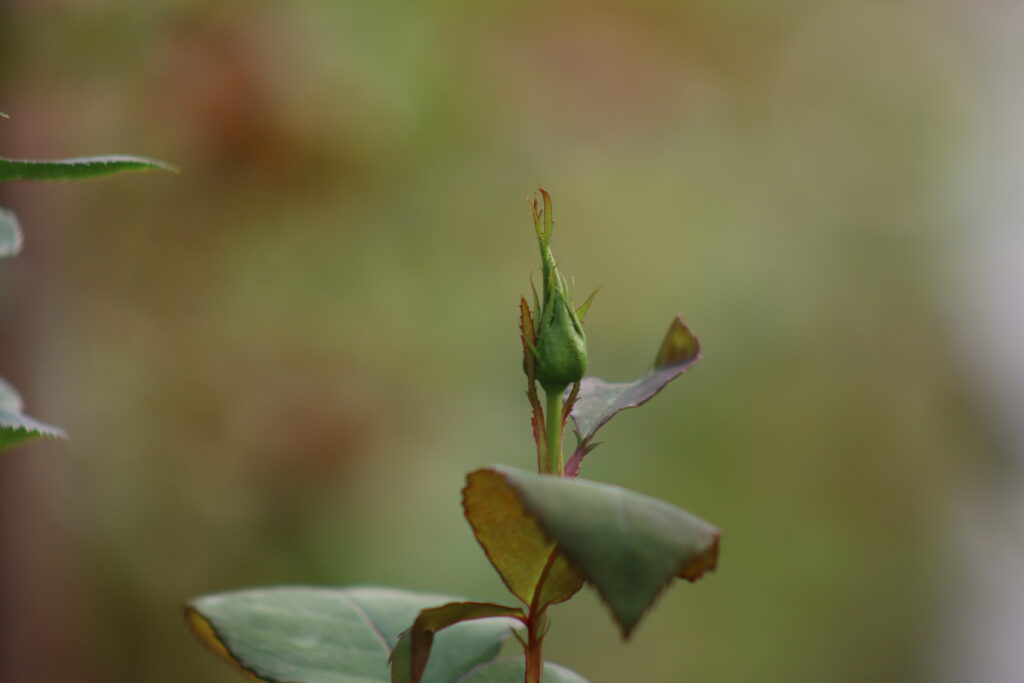
Stage 1 — Early Bud Growth The bud is actively growing and increasing in overall size. The internal structure is forming, but the bloom remains firmly enclosed within the green sepals.
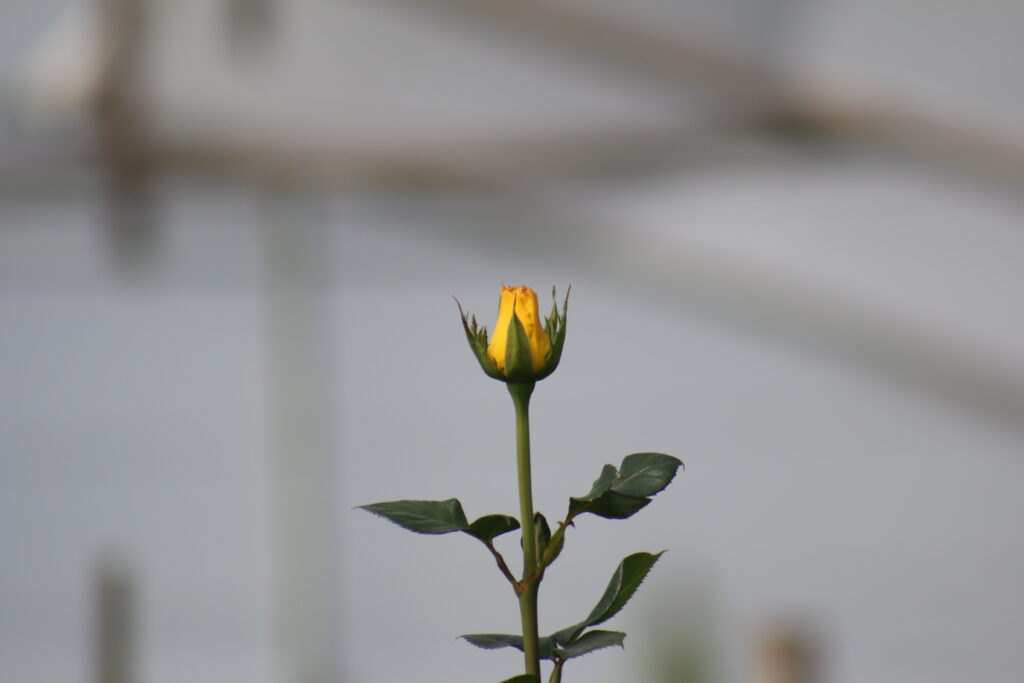
Stage 2 — Advanced Bud Growth The bud continues to swell and mature. While it is approaching harvest size and a hint of color may just be beginning to peek through, it still requires more time on the plant to ensure the petals will open properly later.
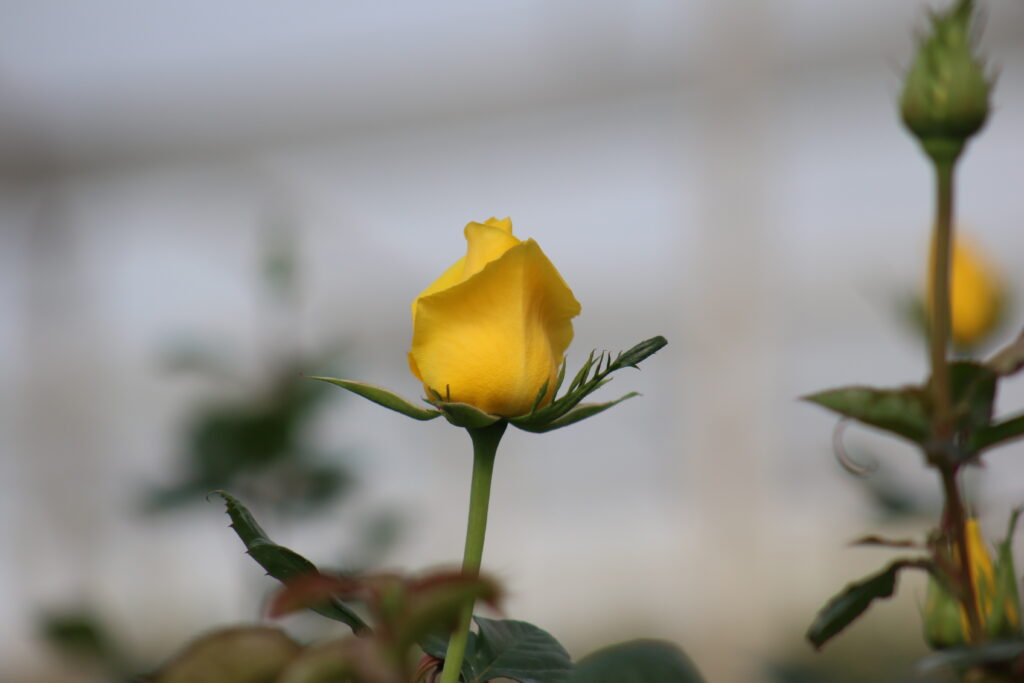
Stage 3 — Bouquet Stage The bloom has loosened just enough to show its color and shape, making it the perfect cutting point for immediate use in pre-made bouquets and local floral arrangements. While ideal for instant visual impact, it has advanced too far for long-distance travel.
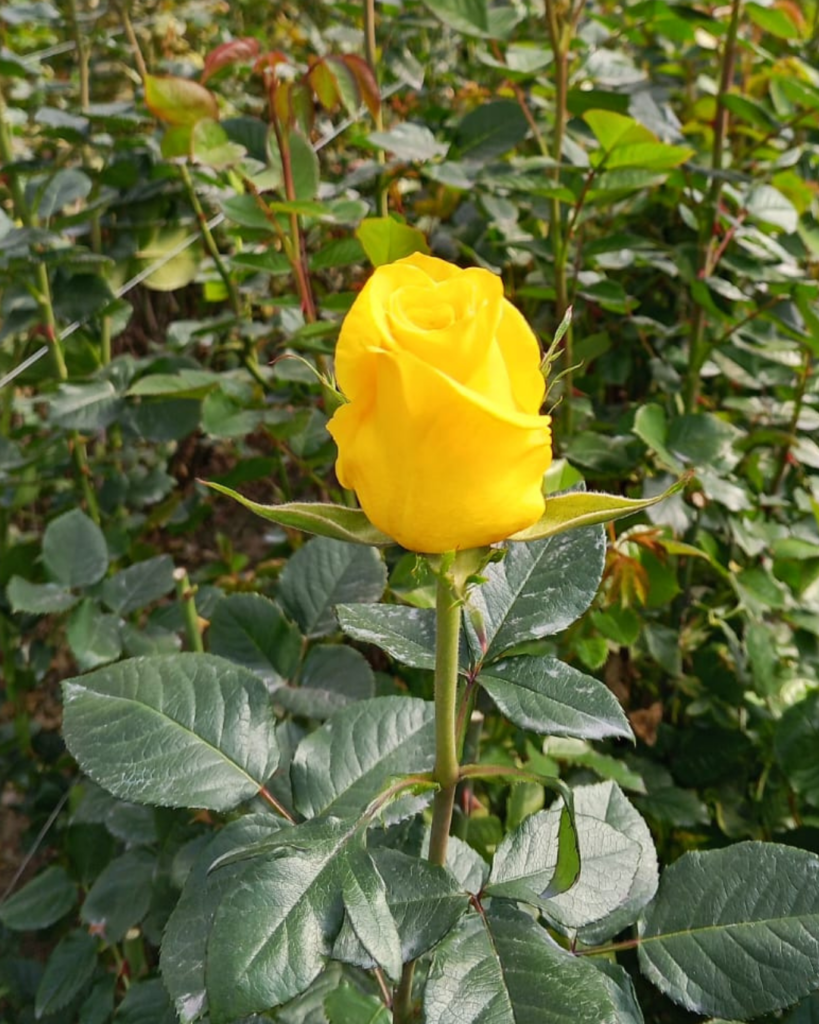
Stage 4 — International Export Standard This is the perfect cutting point for international sales and wholesale export. The bud is mature enough to guarantee it will open beautifully for the end buyer, yet tight enough to survive cold chain logistics, air freight, and extended transit times without sustaining mechanical damage.
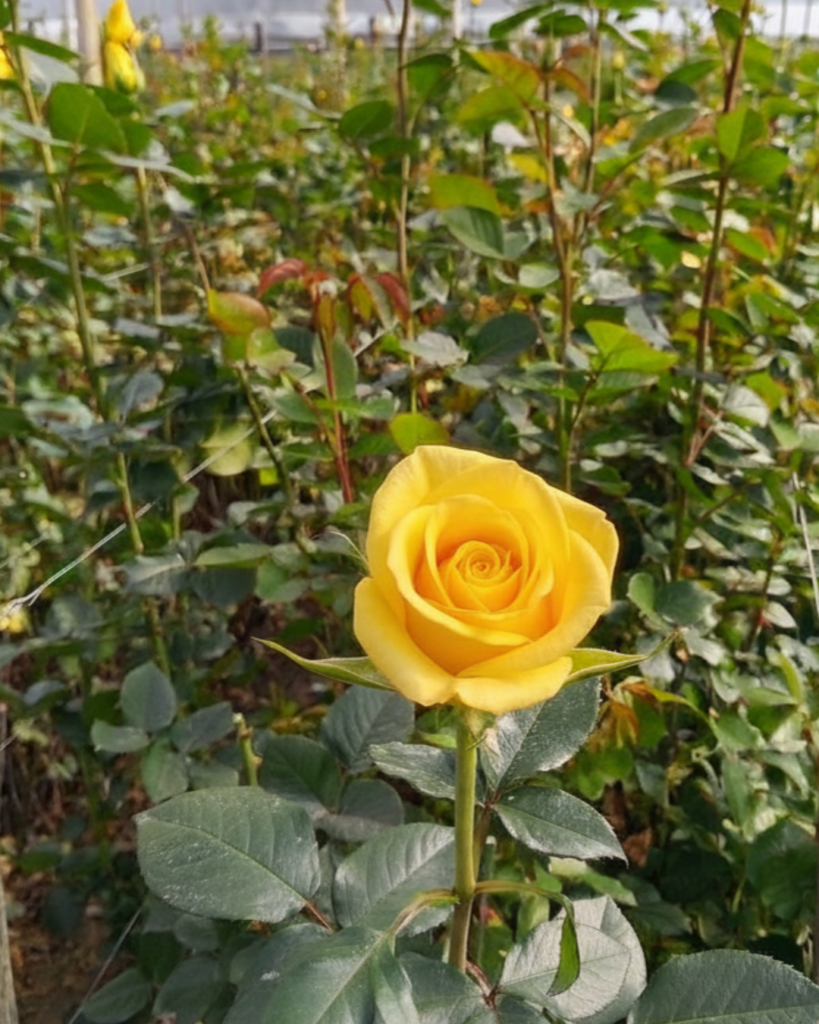
Stage 5 — Vase Stage (Fully Open) The bloom is completely open, displaying its peak color, shape, and size. This is the final stage of the rose’s lifecycle, intended strictly for vase display by the consumer.
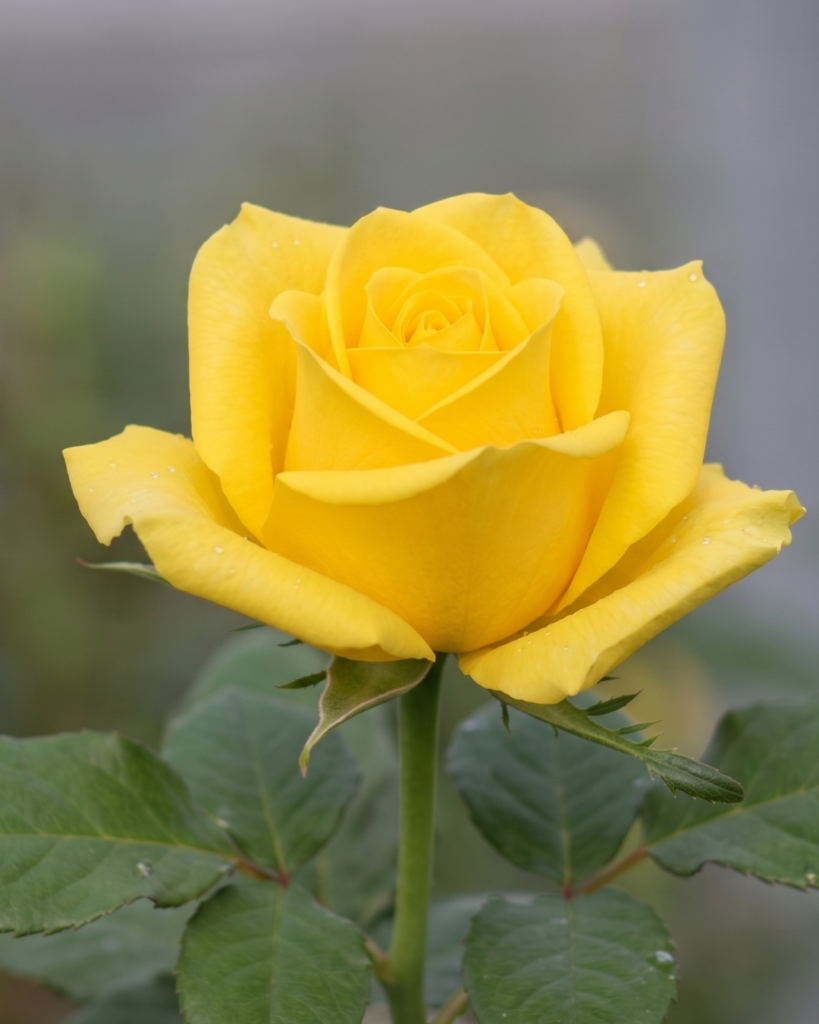
Why Cutting Point Matters for Wholesale Buyers
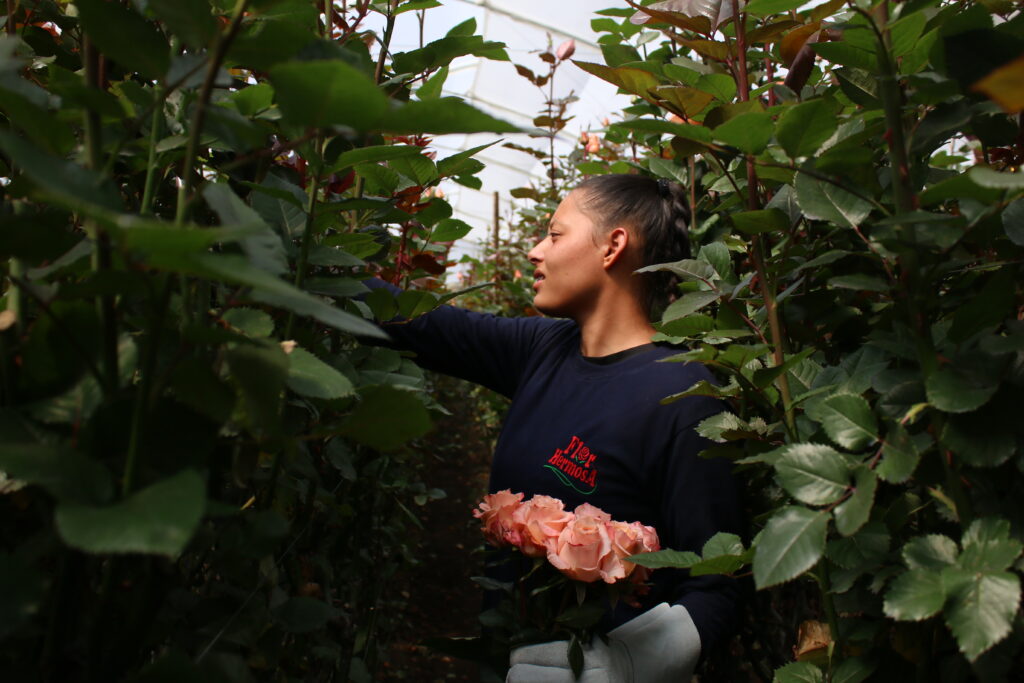
For florists and wholesale buyers, receiving roses at the correct cutting point, it means predictable vase life, consistent bloom development, and roses that open beautifully in your customers’ hands rather than arriving already past their peak. Roses are picked in the early morning hours when they’re freshest, and stems are carefully cut by hand to prevent damage, ensuring the integrity of the stem and bud is preserved from the moment of harvest.
How Flor Hermosa Determines the Right Cutting Point
At our farm in Tabacundo, cutting points are assessed variety by variety and order by order. Different rose varieties develop at different rates — a variety like Explorer with dense, velvety petals may be cut at a slightly later stage than a more tightly structured variety like Mondial, which opens more predictably from a tighter bud. Our harvest team is trained to assess each stem individually, ensuring consistent cutting stage quality across every bunch in every order.
A Note for Buyers: What to Look For on Arrival
When your Flor Hermosa roses arrive, re-cut the stems, hydrate in a preservative solution, and allow 24-48 hours at room temperature for blooms to begin opening naturally. Roses held in cold storage will open more slowly; removing them to a warmer environment accelerates the process when needed.
Have questions about cutting points or want to discuss specific requirements for your next order? Contact us on WhatsApp or browse our rose catalog to explore available varieties.